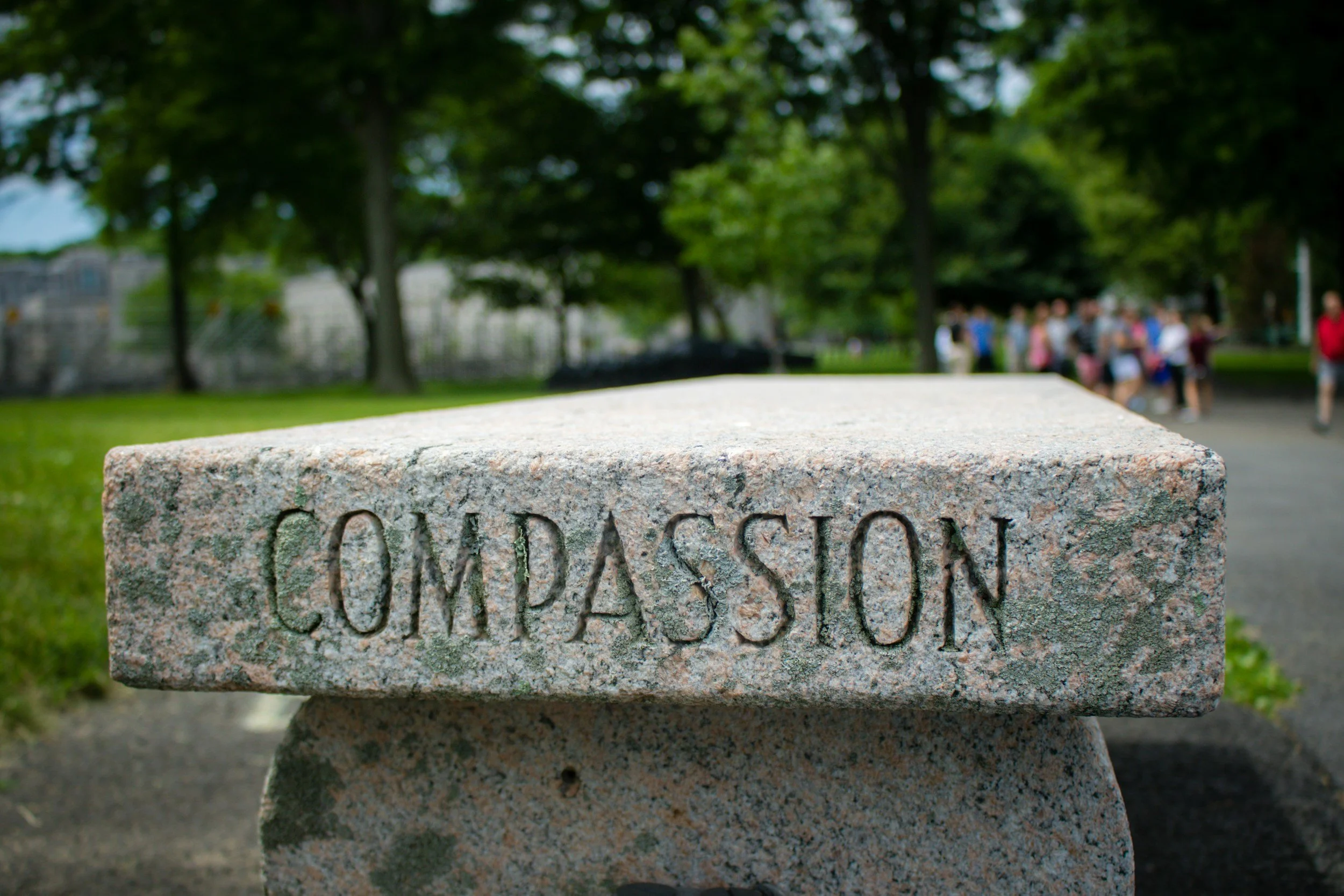
Self-Compassion: Staying With Ourselves When It’s Hard
Self-compassion is often spoken about as something we should practise more of, as though it’s another habit to build or skill to master. But in my experience, the challenge isn’t knowing that kindness matters. It’s noticing the moments when it quietly disappears.
It tends to slip away in familiar ways:
Through comparison.
Through fear of getting it wrong.
Through the belief that everyone else seems more certain, more capable, or further along.
These moments rarely announce themselves. They show up in small, believable thoughts: I should be doing better by now.Other people seem to manage this more easily.If I slow down, I’ll fall behind. Over time, these thoughts shape how we move, decide, and relate to ourselves.
When the Inner Voice Narrows Our World
Many of us carry an internal voice that is quick to assess and correct. It may sound practical or motivating, but underneath it is often anxiety or self-doubt. This voice pushes us to keep up, to not fall behind, to avoid mistakes or discomfort.
The problem isn’t that these thoughts exist. The problem is what happens when we treat them as facts rather than signals.
When self-criticism takes the lead, our world gets smaller. We become less willing to experiment, rest, ask for support, or change direction. Reflection turns into rumination. Pauses feel unproductive rather than necessary. Instead of being with what’s happening, we brace against it.
Fear, Comparison, and the Cost of Being Hard on Ourselves
Fear often sits underneath self-criticism, fear of stagnation, fear of being seen as inadequate, fear of missing something important. Comparison amplifies this fear by giving us constant reference points that are incomplete and often unrealistic.
When we measure ourselves against imagined versions of others, we lose contact with our own context. Our values, capacities, histories, and limits fade into the background. What remains is pressure without meaning.
Being harsh with ourselves can feel like a form of control, as though if we push hard enough, we’ll avoid regret or disappointment. But over time, this approach erodes trust in ourselves. It becomes harder to listen inwardly or respond with flexibility.
What Self-Compassion Actually Asks of Us
Self-compassion doesn’t require us to like what’s happening or pretend things are easier than they are. It asks something quieter and often more difficult: to stay present with ourselves without turning away.
This might look like noticing the tone of your inner voice and softening it slightly.
Or recognising when comparison is driving your decisions.
Or allowing uncertainty without rushing to resolve it.
It doesn’t mean lowering standards or giving up on growth. It means relating to yourself as someone who is allowed to learn, change, and take time.
In practice, self-compassion often shows up as restraint rather than action. Choosing not to pile on extra pressure. Letting a pause be a pause. Allowing your experience to be what it is, rather than what you think it should be.
A Different Way Forward
Pausing to check in with ourselves can bring clarity, but it can also surface discomfort, self-judgement, or pressure to “do better.” What helps us stay with ourselves in those moments is often not more insight, but compassion.
When we respond to ourselves with curiosity instead of judgement, something shifts. We regain a sense of choice. We become more responsive and less reactive. We create room for insight rather than forcing outcomes.
Self-compassion is not a destination. It’s a way of staying in relationship with yourself, especially when things feel uncertain, messy, or unfinished. And perhaps that is where real movement begins, not from pushing harder, but from being willing to stay.
Supportive Spaces
In my work as a psychologist, I see how helpful it can be to have a space where nothing needs to be fixed, achieved, or rushed. Therapy can be a place to pause, reflect, and understand your inner experience with curiosity rather than judgement. Whether that support comes through therapy, trusted relationships, or other forms of care, what matters is having somewhere you don’t have to navigate it all alone.