
When Things Feel Hard
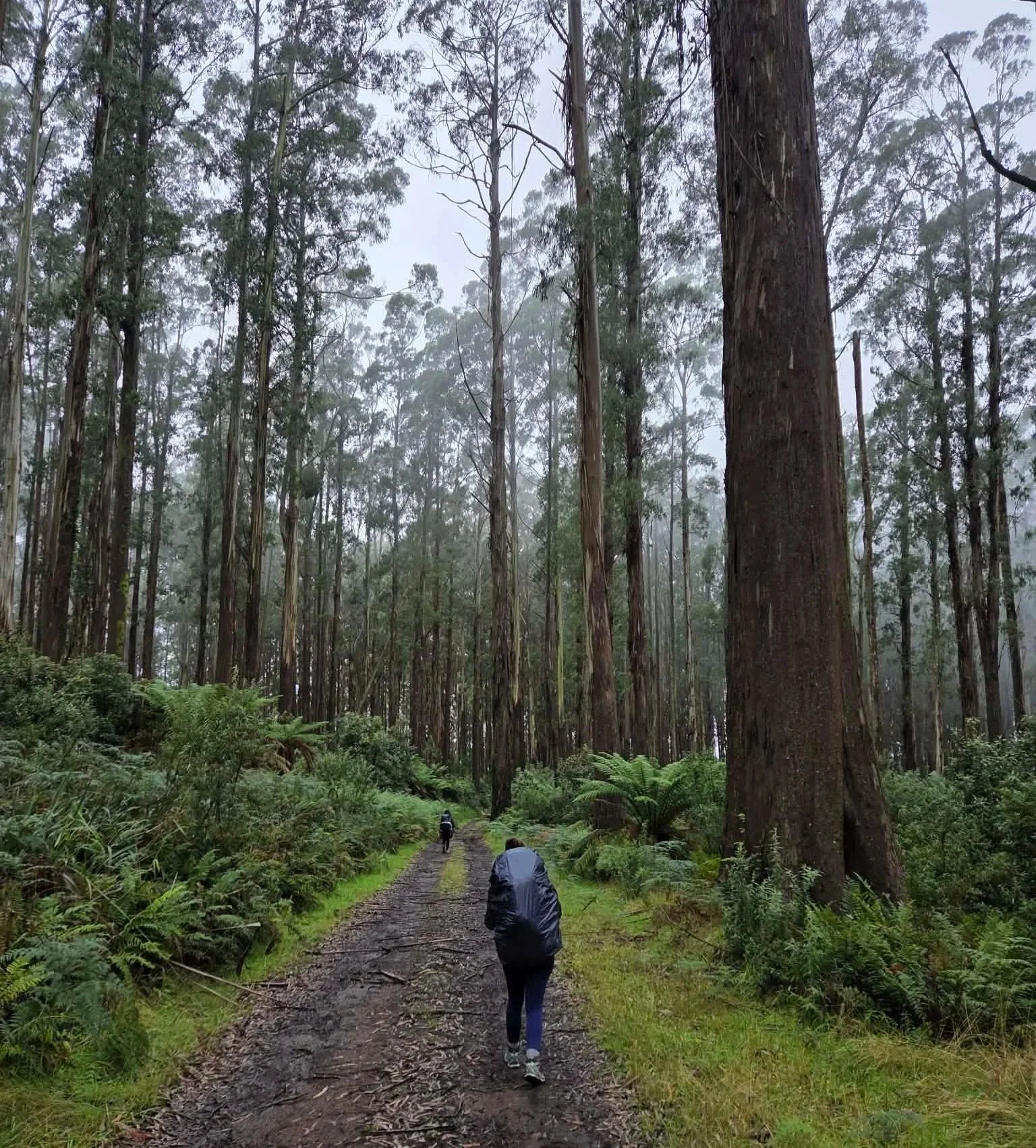
Recently, I took part in a weekend hiking expedition to Marysville. Forty-five kilometres, carrying a full pack, camping along the way. I knew I could manage the distance. The struggle point for me, was the weight I was carrying.
The parts we don’t plan for…
Day one was wet! Unfortunate, and within the first few kilometres, I found myself wondering how I would get through the weekend.
Not because I wasn’t capable but because it already felt harder than I expected.
This is something I’ve been sitting with since.
We often tell ourselves: I can do hard things. In many ways, that belief is helpful. It builds confidence. It expands what we’re willing to attempt. But sometimes, without realising it, that statement shifts from: I can do hard things, to: I should be able to do hard things… without it feeling this hard
When expectation meets reality
By day two, everything felt different. I thought the weight would feel lighter after having consumed a good chunk of my food. It did not, and I was sore before I even started moving.
A few kilometres in, the first blister appeared. Then another. Then another. Each one slowed me down more than I expected.
So I stopped, adjusted, sorted what I could, tried to keep going as best as I could.
But it meant walking slower. It meant people waiting for me. It meant not feeling like myself because at times I couldn’t distract myself from the discomfort, and that meant I was not the most engaging person to be around.
There was a point where I realised something. It wasn’t just the physical discomfort, it was the gap between how I expected to move through the experience and how it was actually unfolding.
The hidden layer of “capability’
I consider myself a fit person. Someone who is open to and can handle challenge. This experience didn’t undo that, but it did reveal something underneath it. A quiet expectation I hadn’t fully noticed before.
That if I’m capable…
I shouldn’t struggle this much.
It’s subtle, but powerful. Because when we hold that expectation, struggle doesn’t just feel uncomfortable, it starts to feel like something has gone wrong.
Why this matters beyond the trail
This pattern doesn’t just show up on a hike. It shows up:
when work feels harder than it “should”
when relationships feel effortful
when our emotional world feels messy or overwhelming
when we don’t move through challenges as smoothly as we expected
We can hold a belief in our capacity, while simultaneously and quietly holding an expectation of ease. When those two don’t align, it often leads to frustration, self-criticism, or doubt.
Letting struggle belong
What I found myself coming back to over that weekend was this:
Doing hard things was never the issue. The difficulty came from expecting them to feel easier than they did.
When that expectation softened, it created space for other things to emerge, more patience, more flexibility, more acceptance.
Not because the experience changed but because my relationship to it did.
A different way of understanding strength
We often associate strength with pushing through, and pushing through in a stoic way. With maintaining pace, with doing things well, maybe even, projecting that we are not impacted by the challenges surrounding us.
But there is another version of strength that feels quieter but is empowering. It looks like:
adjusting or pivoting without turning it into a failure
continuing at a slower pace without collapsing into judgement
creating space to reflect before jumping in to react when it feels overwhelming
allowing discomfort to be part of the experience, rather than something to eliminate
Not every challenge will feel empowering in the moment. Some challenges will feel messy, uncomfortable, overwhelming and far from how we imagined. That doesn’t mean we’re doing it wrong!
In allowing space for the messy, the uncomfortable and all the emotions, we meet the experience more fully, and can embrace it as it actually is.
A gentle reflection
Where in your life do you notice an expectation that if you’re capable, things shouldn’t feel this hard?
What shifts when you allow the struggle to be part of the experience, rather than a sign that something isn’t working?
This reflection shares a personal experience and general observations about human behaviour. It is not intended as psychological advice.
